
-
YOGAYOGA
-
FITNESSFITNESS
-
PERSONAL TRAININGPERSONAL TRAINING
-
JOIN USJOIN US
-
HAPPENINGSHAPPENINGS
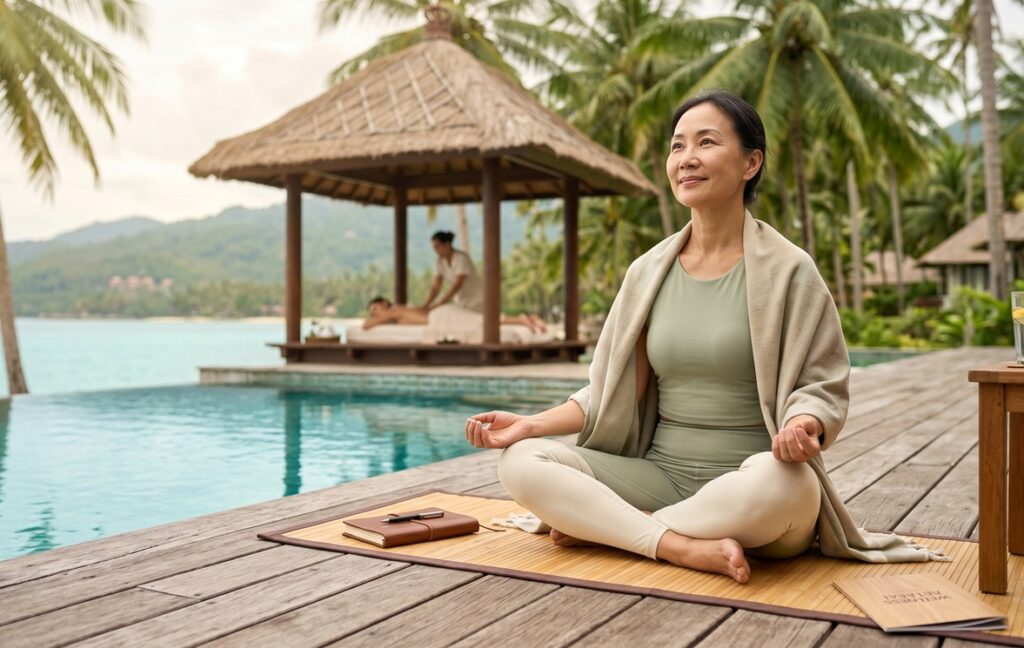
Many Singaporeans return from a week in Bali or Phuket more exhausted than when they left. The trip was full, the pool was beautiful, and the spa treatments were pleasant. Yet, between the flights, the packed itinerary, and the social dining, the body rarely found the space to recover. Wellness researchers call it ‘vacation burnout’, and it points to a gap in how most people approach the booking decision. Knowing how to choose a wellness retreat that actually shifts your health is harder than it appears. In practice, a beautiful setting and a good spa menu alone do not constitute a wellness retreat. Instead, what separates a genuine health reset from a luxury holiday with wellness elements is structural programming, professional oversight, and a clear intention behind every hour of the schedule.
A wellness retreat is an expert-led programme designed to achieve a specific health outcome. That outcome usually involves a measurable shift in baseline health, be it lower cortisol levels after sustained stress, improved mobility after months of sedentary work, or a recalibrated relationship with nutrition and sleep. In turn, the activities, environment, and schedule all work together in the service of that single goal. Beyond the programming itself, quality retreats tend to include two elements that most hotel packages do not: Pre-arrival consultation, which helps tailor the programme to your specific needs. Post-departure support, which ensures that the wellness retreat results you achieve do not stay at the airport. Together, these elements shape how a well-designed schedule is built. It typically prioritises three things:
Scheduled movement and workshops: Structured activities, such as yoga lessons, breathwork, and functional training sessions, form the backbone of each day.
Treatment time: Therapies are selected to support the physical and mental goals of the programme.
White space: Unstructured time for reflection and integration, often supported by a digital detox, is a deliberate part of the design.
While ‘Where do I want to go?’ is often the first question people ask, it’s usually the wrong one to start with. A more useful starting point is ‘What do I need to come back to?’ From there, the answer dictates every other variable. For example, someone recovering from burnout would need a low-stimulation environment, restorative practices or guided breathwork, and a practitioner trained in nervous system regulation. Meanwhile, someone working through physical stiffness or rebuilding after an injury would benefit more from structured movement programming and a facilitator with rehabilitation or physiotherapy experience.
Not all goals can be addressed in the same time frame. For instance, while a three-day reboot can reduce acute stress and recalibrate sleep patterns, metabolic changes and long-term habit shifts may require at least 10 to 14 days of sustained immersion. For Singaporeans navigating demanding work schedules, this can be a source of tension. As such, being honest about that gap at the booking stage is crucial to produce better wellness retreat results than choosing a shorter programme simply because it is more convenient.
The right duration gets you through the door, but who is running the programme determines what you actually get out of it. Before booking, research the specific practitioners who will be running your programme, instead of just the retreat brand. Consider: What are their qualifications, and where did they train? How long have they been at this retreat? Are the same facilitators who earned the positive reviews still there? If possible, ask to speak with a current facilitator before committing.
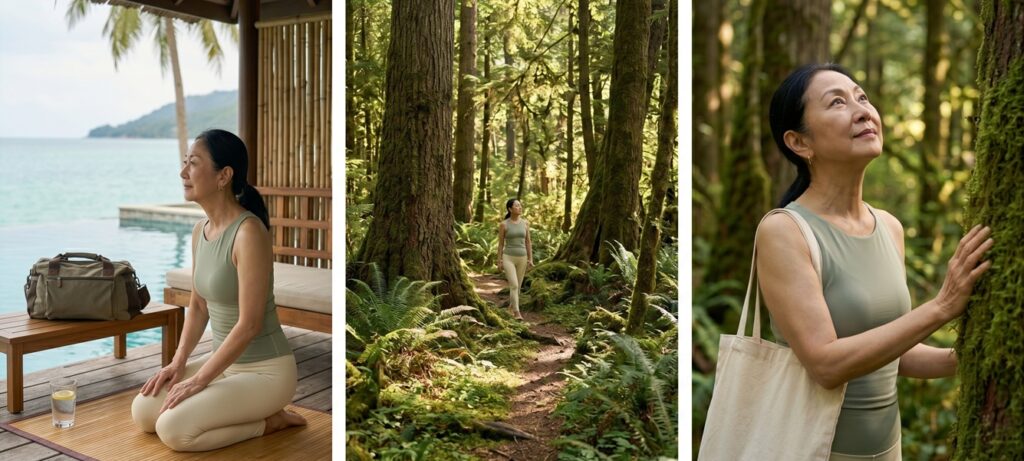
Beyond credentials, the physical environment also functions as a meaningful part of the treatment. Factors like altitude, humidity, the presence of trees, proximity to water, and ambient sound levels all produce measurable effects on the nervous system. For example, forest bathing in a cooler mountain climate tends to downregulate the sympathetic nervous system more effectively than a beach environment does. In contrast, a coastal setting can support mood regulation and lighter, restorative sleep. Therefore, understanding how different environments affect your physiology turns the destination question from a personal preference into a practical health decision.
Even with the right environment and expert practitioners, a wellness retreat that produces no lasting results does not really work. As such, the measure of a good programme is not how you feel on the last morning, but how you are functioning three months later. With that standard in mind, look for programmes that provide a concrete home-practice plan, follow-up consultations, or digital resources to maintain momentum after departure. Some retreats offer post-programme check-ins, while others provide a curated practice schedule tailored to your specific goals. Solid post-departure support gives the changes you have made somewhere to land when real life resumes.
The best wellness retreat may not be the most aesthetically impressive one, but it is the one whose effects outlast the stay. If you’re looking for access to that kind of structured, expert-led programming, PURE’s curated wellness workshops offer a practical avenue. As a fitness centre spanning yoga, pilates, and personal training, PURE offers a variety of retreats at different locations, led by professional instructors in structured environments that mirror the programming logic of a genuine retreat. Sessions are designed to build on each other, and the guidance available around goal-setting and habit integration means that results continue to show well beyond the studio. So, join us to explore our upcoming wellness workshops and find the one that aligns with what you actually want to come back to.

Whether you want to tone your body or pump up your cardio, harness the power and grit with PURE Fitness.
From private yoga to specialised classes, enjoy the ultimate yoga experience with PURE Yoga and lead happier, healthier, and more balanced lives.
Transform your technique & physique with our dedicated PURE Pilates classes.

From yoga to fitness, PURE Online provides scheduled and on-demand workout videos to practise anytime and anywhere.

noodfood offers only the good stuff — delicious and nutritious food and drinks including cold-pressed juices, raw foods and organic snacks to keep you happy and healthy.
Whether you want to tone your body or pump up your cardio, harness the power and grit with PURE Fitness.
From private yoga to specialised classes, enjoy the ultimate yoga experience with PURE Yoga and lead happier, healthier, and more balanced lives.
Transform your technique & physique with our dedicated PURE Pilates classes.
From yoga to fitness, PURE Online provides scheduled and on-demand workout videos to practise anytime and anywhere.
noodfood offers only the good stuff — delicious and nutritious food and drinks including cold-pressed juices, raw foods and organic snacks to keep you happy and healthy.


