
-
YOGAYOGA
-
FITNESSFITNESS
-
PERSONAL TRAININGPERSONAL TRAINING
-
JOIN USJOIN US
-
HAPPENINGSHAPPENINGS
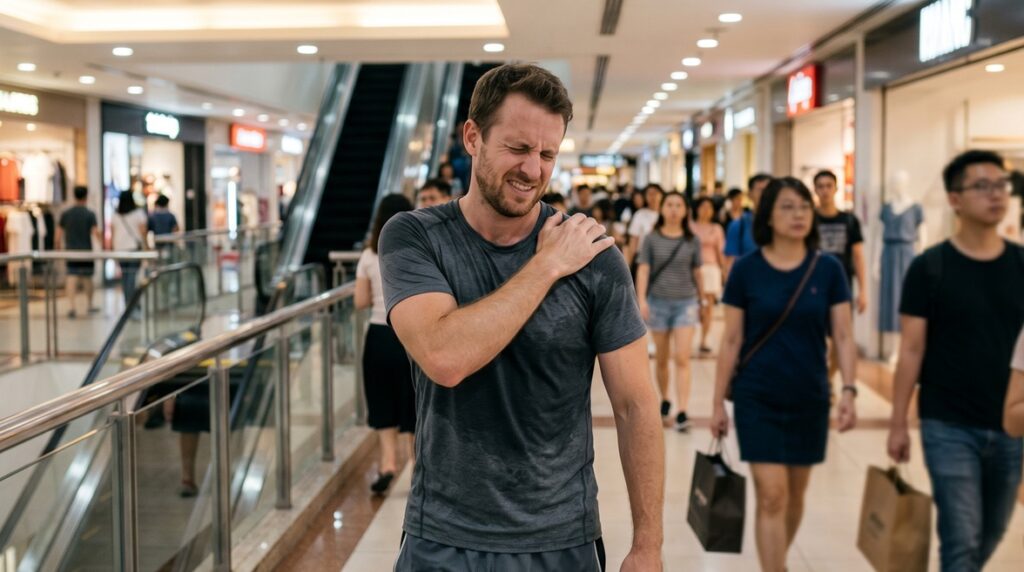
While most people expect to feel sore the day after a workout, what catches people off guard is waking up on day 2 feeling much worse than day 1. From legs that struggle with stairs to muscles screaming at you as you get off your chair, delayed onset muscle soreness (DOMS) is a common experience among both beginners and returning gym-goers alike.
The good news is that there’s a clear biological explanation for feeling sore 2 days after a workout, and it’s just your body doing exactly what it should.
Delayed onset muscle soreness (DOMS) is the muscle fatigue and discomfort that develops in the hours and days following exercise, and it is entirely normal. Unlike the immediate burn felt during a workout, which results from the accumulation of metabolic byproducts during intense effort, DOMS typically kicks in 12 to 24 hours after training and peaks between 24 and 72 hours post-exercise. Being sore 2 days after a workout is a recognised and well-understood response to physical effort.
Soreness peaks at the 48-hour mark because of the way your body responds to microscopic muscle damage. During exercise, movements that lengthen a muscle under load cause small tears in the muscle fibres. In the hours that follow, the body begins an inflammatory response to repair these small tears. That inflammation, and the associated sensitivity in the surrounding tissue, is what causes the soreness you feel. It takes time to build and time to resolve, which is why day 2 is often worse than day 1. The types of exercise most likely to trigger significant delayed onset muscle soreness include:
In most cases, body pain two days after the gym is simply DOMS, but it’s worth knowing how to tell the difference between normal soreness and pain that needs attention. DOMS presents itself as a dull, widespread ache across the muscle. It tends to worsen with movement initially and ease as you warm up. What it doesn’t feel like is sharp, localised, or joint-specific pain. If you feel these types of pain 2 days after a workout, it is recommended to seek the advice of a doctor:
One common misconception worth addressing: soreness intensity does not equal workout quality. Feeling wrecked on day 2 is not a reliable indicator of how effective the session was. You can still progress with an exercise session that leaves you mildly sore, or not sore at all.
Whether you should workout if you still feel sore after 2 days depends on the type of soreness and session you are planning. Light movement and active recovery actually reduce DOMS faster than doing nothing. Gentle activity increases blood flow to the affected muscles, which helps clear the byproducts of the inflammatory process and speeds tissue repair.
Instead of soreness, there are a few practical cues that signal that your body has recovered enough to train at full intensity again. Run through these before your next session:
Range of Motion: Can you move through the full range of the relevant joints without restriction?
Muscle Responsiveness: Do the muscles feel functional and engaged rather than dead or fatigued?
Energy Levels: Do you have the mental and physical energy to train with intent?
Soreness Level: Is the ache dull and manageable, or still significant enough to affect form?
If you want to stop feeling sore faster, follow these strategies for faster recovery from DOMs:
Sleep More: Muscle repair happens when you sleep, so aim for at least seven to nine hours of sleep after an intense workout session.
Stay Well-Hydration: Muscle tissue is predominantly water, staying well hydrated supports repair and reduces inflammation.
Increase Your Protein Intake: Aim for adequate protein throughout the day to give the body the building blocks it needs. Ensure adequate protein intake throughout the day to give your body the building blocks it needs for repair.
Incorporate Light Movement: Don’t sit around waiting for your soreness to fade. Going for a 20-minute walk, a gentle yoga session, or low-intensity cycling keeps blood moving to help your muscle clear metabolic waste and support the tissue repair process.
Try Foam Rolling and Stretching: Both can reduce perceived soreness and improve range of motion during the recovery window.
Yes! Your body adapts to training stimulus over time, so DOMS becomes less severe the more you train. The second time you perform the same workout, the soreness it produces is noticeably less because the muscle fibres have already begun adapting to that specific demand.
DOMS is a normal part of training that signals that your body has been challenged and that your muscles are adapting. At PURE, you can hire a personal trainer that will build programmes designed around your goals, your current fitness level, and your DOMS recovery capacity, so you make consistent progress without being sidelined by soreness. Group fitness workout classes offer the same benefit with the added energy and accountability of training alongside others. Ready to train smarter? Visit your nearest PURE club or explore our membership plans to work towards a healthier you today.
Whether you want to tone your body or pump up your cardio, harness the power and grit with PURE Fitness.
From private yoga to specialised classes, enjoy the ultimate yoga experience with PURE Yoga and lead happier, healthier, and more balanced lives.
Transform your technique & physique with our dedicated PURE Pilates classes.
From yoga to fitness, PURE Online provides scheduled and on-demand workout videos to practise anytime and anywhere.

noodfood offers only the good stuff — delicious and nutritious food and drinks including cold-pressed juices, raw foods and organic snacks to keep you happy and healthy.
Whether you want to tone your body or pump up your cardio, harness the power and grit with PURE Fitness.
From private yoga to specialised classes, enjoy the ultimate yoga experience with PURE Yoga and lead happier, healthier, and more balanced lives.
Transform your technique & physique with our dedicated PURE Pilates classes.
From yoga to fitness, PURE Online provides scheduled and on-demand workout videos to practise anytime and anywhere.
noodfood offers only the good stuff — delicious and nutritious food and drinks including cold-pressed juices, raw foods and organic snacks to keep you happy and healthy.


